
During the processing of paddy rice into rice, two common byproducts are produced: rice husks and rice bran. Although both originate from a single grain of rice, they differ significantly in definition, nutritional composition, uses, and economic value. For grain and oil processing enterprises, failing to accurately distinguish between the two not only leads to resource waste but may also result in missed opportunities for substantial market profits.
As a leading enterprise in the grain and oil machinery industry, Henan Huatai Cereals and Oils Machinery Co., Ltd. (hereinafter referred to as Huatai Oil Machinery) has been deeply involved in the grain and oil equipment field for many years, possessing leading technological strength, especially in the comprehensive utilization and deep processing of rice bran. Today, we will explain in detail the differences between rice husks and rice bran and reveal the secret of how to transform inexpensive rice bran into high-value “liquid gold” through high-end grain and oil equipment.
-
Definition and Origin: From Which Part of the Paddy Rice Do They Come From?
To distinguish between rice husks and rice bran, one must first understand the structure of paddy rice.
1) Rice Husk: The “Protective Layer” of Rice
Rice husk, also known as coarse bran, is the outermost hard shell of rice, commonly referred to as the “chaff.” It is the first “outer garment” removed from rice during the rice hulling process. Rice husk is coarse, hard, and contains a large amount of lignin and fiber.
2) Rice Bran: The “Nutritional Outer Layer” of Brown Rice
Rice bran is a mixture of the bran (pericarp, seed coat, aleurone layer) and germ that are removed from brown rice during the rice milling process after the rice husk has been removed. Simply put, rice husk is the “hard shell,” while rice bran is the thin outer layer and germ of brown rice.
-
Composition and Nutrition: One “Heaven,” the Other “Earth”
Rice husk and rice bran differ drastically in chemical composition and nutritional value, which is the fundamental factor determining their fate.
1) Rice husk: Rice husk has almost no nutritional value, mainly composed of crude fiber (about 40%), lignin, and ash, and has an extremely high silica content. Due to its hard texture and poor digestibility, it cannot be used directly as animal feed. It is generally used for combustion, making biomass pellet fuel, or as bedding material for fermentation beds.
2) Rice bran: Rice bran is an overlooked “nutritional treasure trove.” It concentrates most of the high-quality nutrients of rice:
High fat content: Fat content is between 16% and 22%, making it a high-quality source of vegetable oil.
High-quality protein: Protein content is about 15%, with a reasonable amino acid composition and high bioavailability.
Active ingredients: Rich in oryzanol, vitamin E, and other physiologically active substances.
Because of its high oil content, rice bran is extremely prone to oxidation and rancidity in the air, requiring timely preservation treatment (such as extrusion puffing).
-
Industrial Uses: The “Watershed” Between Fuel and Food
Due to the significant differences in composition, rice husk and rice bran have taken completely different paths in industrial applications and commercial value.
1) Uses of Rice Husks
Due to their high calorific value and long burning time, rice husks are traditionally used primarily as boiler fuel, biomass power generation feedstock, or processed into rice husk charcoal. Even in the edible mushroom cultivation sector, rice husks are only used as a breathable bedding material, not as a nutrient source.
2) Uses of Rice Bran: Huatai Oil Machinery’s Main Battlefield
Rice bran has much higher value applications, which is also a key area of focus for Henan Huatai Cereals and Oils Machinery Co., Ltd.
A. Extraction of Rice Bran Oil (Liquid Gold)
Rice bran can be extracted into highly nutritious rice bran oil through pressing or extraction processes. Rich in oryzanol, rice bran oil has cholesterol-lowering and antioxidant effects, earning it the reputation of “Oriental olive oil.”
B. High-Protein Feed
After rice bran oil extraction, the protein content of rice bran meal is further increased, making it a high-quality raw material for producing premium feed.
-
Huatai Oil Machinery: Maximizing the Value of Rice Bran
In the rice processing industry, the ability to separate low-value rice husks and fully utilize the high-value rice bran is a key indicator of a company’s technological strength. Henan Huatai Cereals and Oils Machinery Co., Ltd. is a leader in this field.
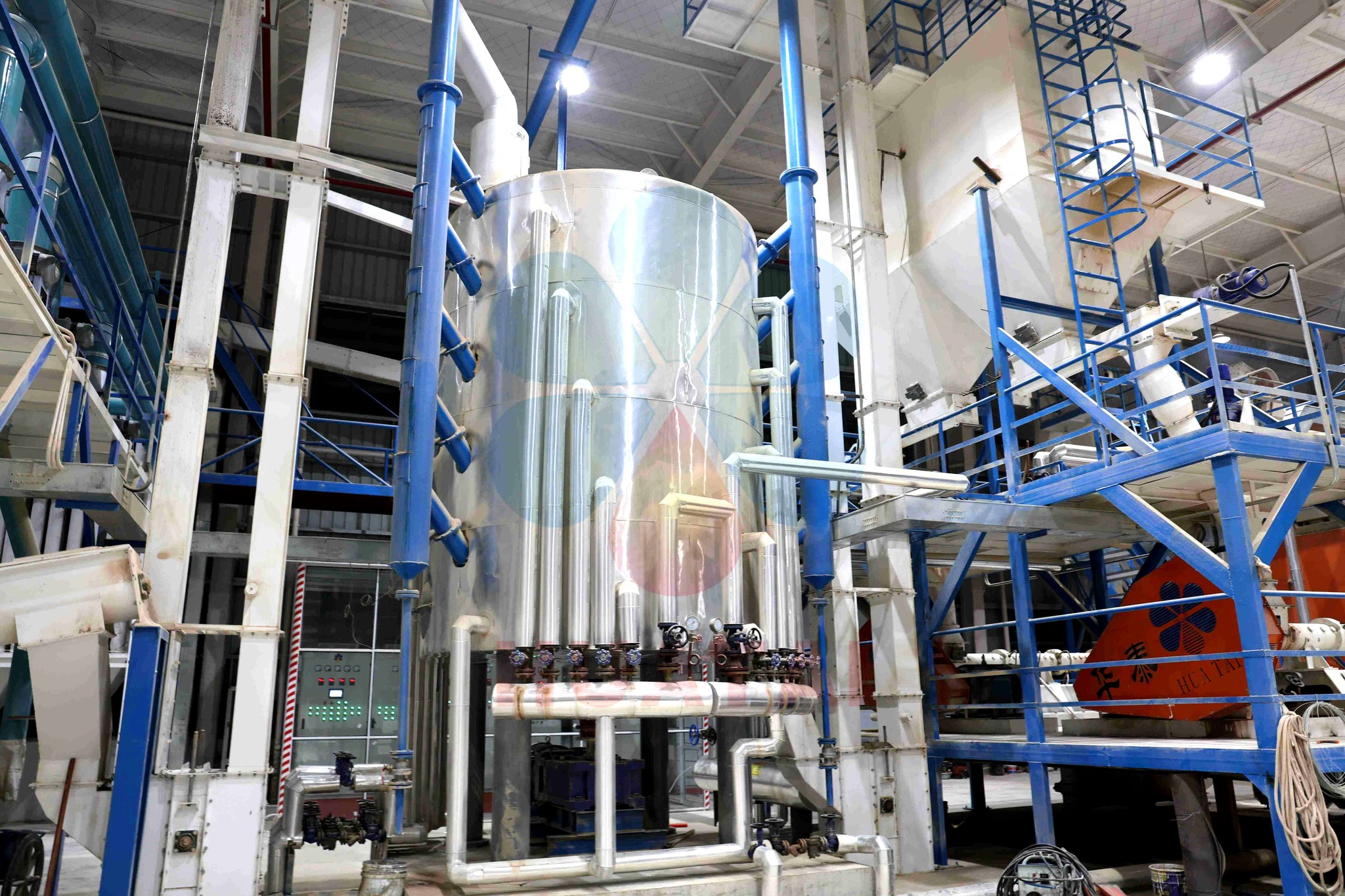
Addressing the characteristics of rice bran—its susceptibility to rancidity, high powder content, and moderate oil content—Huatai Oil Machinery has developed a highly adaptable intelligent rice bran oil production line.
1) Precise Pre-treatment and Extrusion: Huatai Oil Machinery’s core extrusion process uses high-temperature, high-pressure, instantaneous processing to effectively deactivate lipases in rice bran, preventing rancidity and ensuring freshness.
2) Efficient Extraction Technology: For the specific high-temperature and high-humidity climates of Southeast Asia, Huatai Oil Machinery employs advanced freeze-absorption technology in its extraction workshop, significantly reducing solvent loss and increasing oil yield.
3) Fully Automated Process: Through an integrated intelligent control system, Huatai Oil Machinery’s rice bran oil processing equipment achieves fully automated operation from raw material pre-treatment to extraction, significantly reducing labor and energy costs.
4) Nutrient Retention: Huatai Oil Machinery’s complete rice bran oil refining equipment utilizes advanced technology to maximize the retention of nutrients such as oryzanol in rice bran oil. This equipment has won numerous awards, including the First Prize of the Science and Technology Award from the Chinese Cereals and Oils Association and a Gold Medal at the National Invention Exhibition.
As a national-level key “Little Giant” enterprise specializing in specialized and innovative technologies and a Henan Province manufacturing single-item champion enterprise, Huatai Oil Machinery not only has 12 modern intelligent equipment production workshops in Huaxian County, Henan Province, but its business network also spans more than 60 countries and regions worldwide. In 2025, Huatai Oil Machinery’s international orders are expected to account for over 70% of its total orders, with multiple sets of rice bran oil processing equipment with a daily processing capacity of 200 tons continuously being shipped to the Southeast Asian market.
-
Conclusion
Rice husks and rice bran differ by only one word, yet their values are vastly different. In the modern grain and oil processing industry, only specialized machinery can fully unlock the value of both. Henan Huatai Cereals and Oils Machinery Co., Ltd., with its profound experience in the oil machinery field, especially its continuous innovation in rice bran extrusion, extraction, and refining technologies, is helping global customers transform seemingly ordinary rice bran into tangible economic benefits, achieving a perfect transformation from “field rice” to “people’s oil bottle.”
If you have further needs for rice bran deep processing or complete sets of grain and oil processing equipment, please contact us for professional technical support and customized solutions!
Website: https://ricebranoilpress.com/
Email: info06@cnoilmachine.com